Iranian People at a Historic Crossroad
January 4, 2026
L’avenir de l’Iran : Dynamiques des protestations et conditions d’un changement de régime
January 7, 2026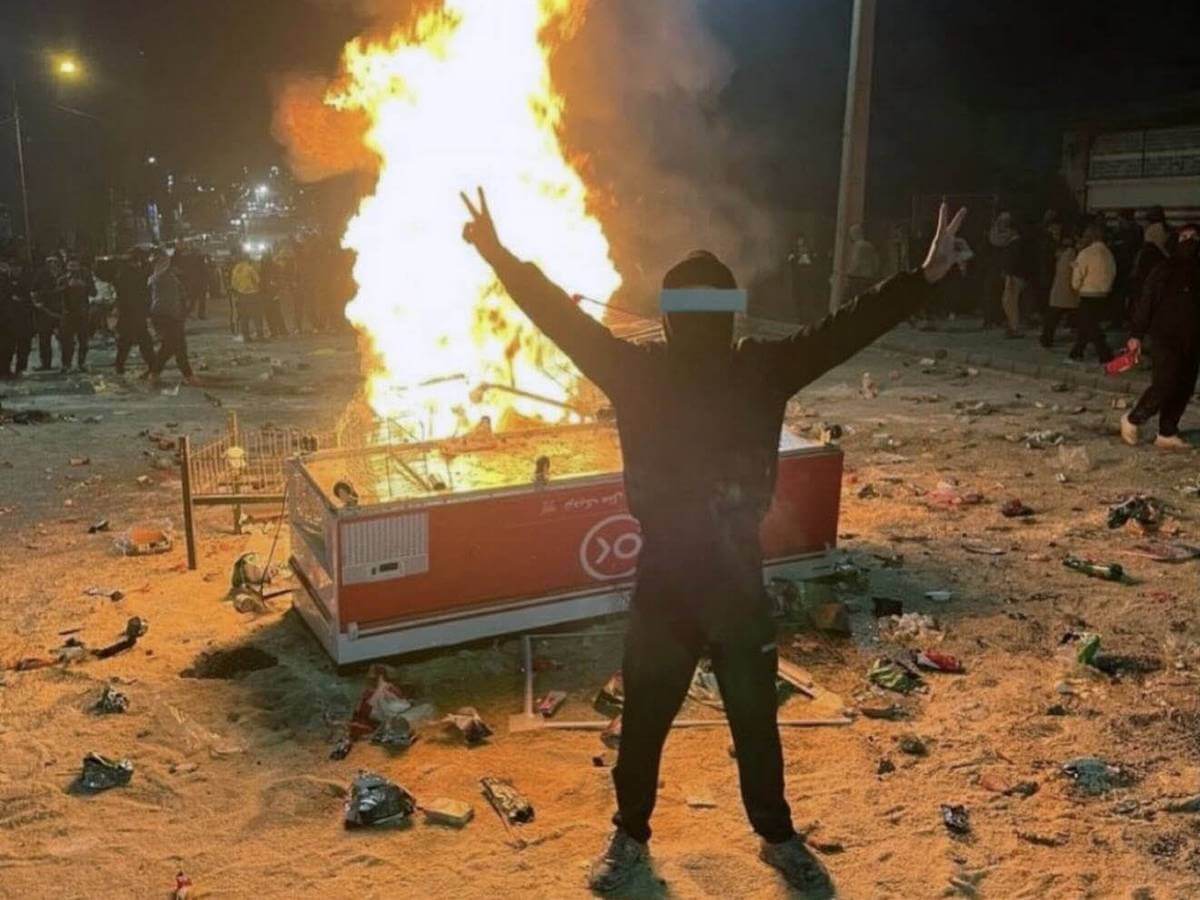
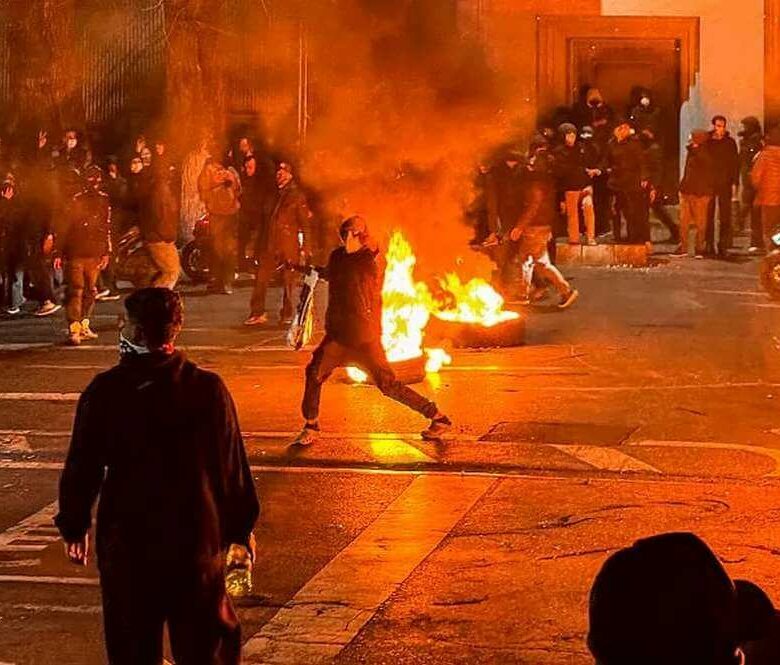
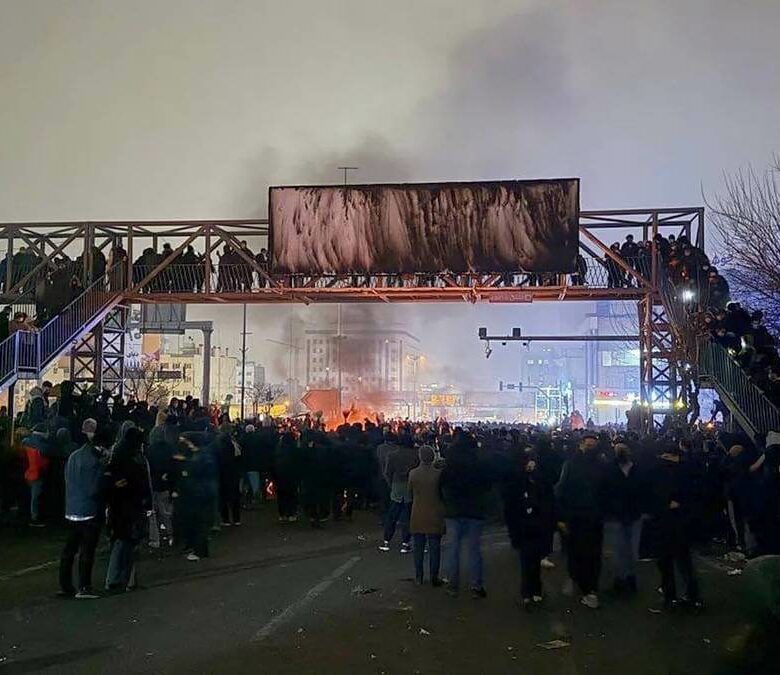
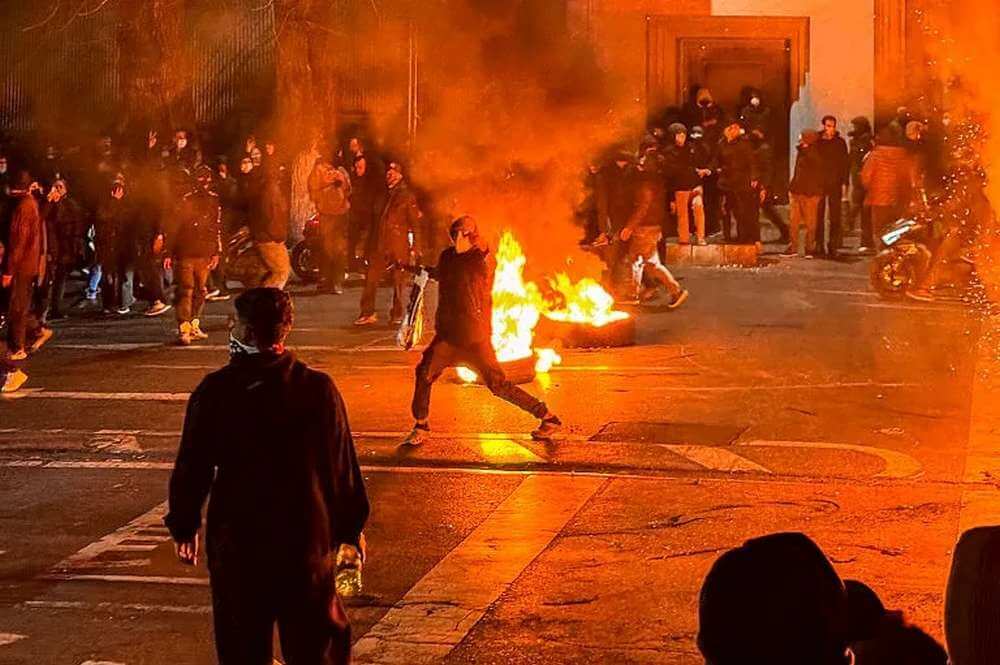
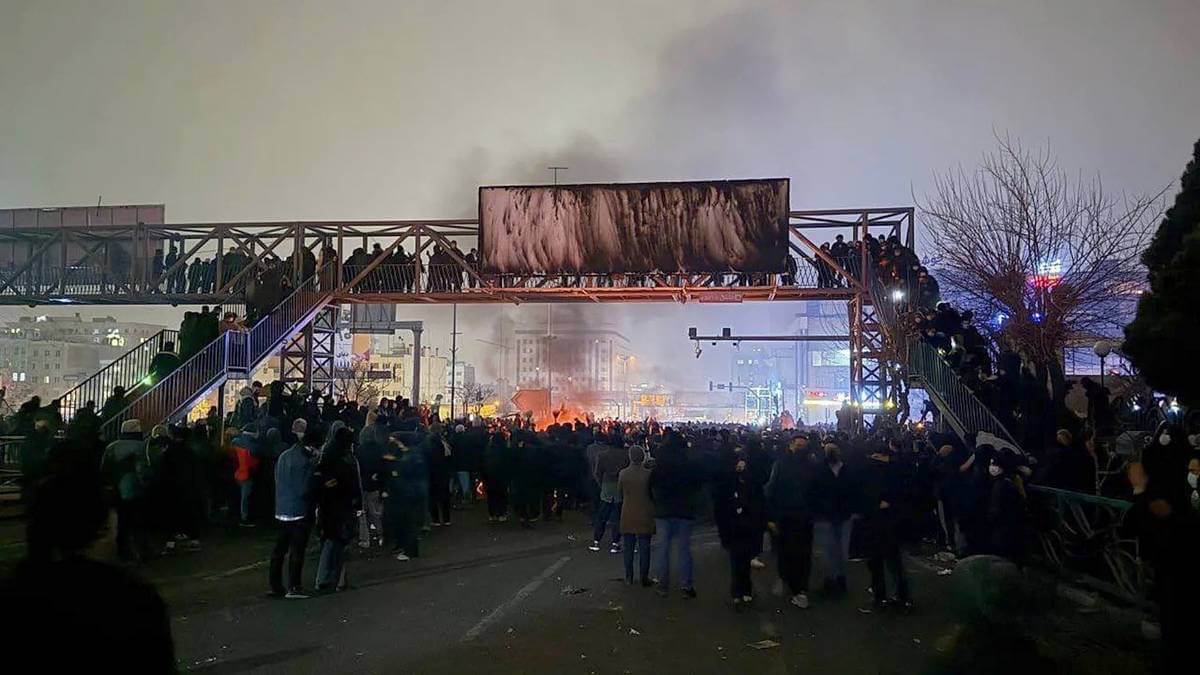
Iran has experienced repeated waves of social and political unrest in recent years. These protests reflect deep-rooted frustration caused by economic hardship, political restrictions, and the lack of structural reform.
In this environment, the IRGC, the army, armed groups, reformists, and the exile opposition all play significant roles in shaping the country’s direction.
This article analyzes the possible scenarios, the influence of key actors, and the prerequisites for significant political change in Iran.
Key Actors and Their Influence
1. The IRGC and the Army
The IRGC and the army are the core pillars of state power. Their unity determines whether the regime remains stable or moves toward change.
Influence mechanisms:
Control of protests and security forces
Strategic coordination in sensitive regions
Use of economic networks to manage social pressure
2. Domestic and Foreign Armed Groups
Kurdish, Baluchi, and political armed groups such as the MEK possess disruptive potential.
However, without divisions within the IRGC and army, their operational capacity remains limited.
3. Reformists
Reformists act as mediators. Their goal is to channel public anger toward political negotiation rather than violent confrontation.
Their main functions:
Negotiation within the system
Reduction of violence
Pushing for limited, controlled reforms
4. Exile Opposition
The exile opposition—especially figures like Reza Pahlavi—has symbolic and media influence.
Their messaging energizes parts of the population but lacks operational structures inside Iran.
Possible Scenarios for Iran’s Future
Scenario 1: Controlled Nationwide Protests (Most Likely)
Protests continue but remain fragmented.
The IRGC and army maintain cohesion, preventing rapid collapse.
Scenario 2: Gradual Transition
Internal pressure forces the government to introduce limited reforms without fundamentally changing the system.
Scenario 3: Rapid Collapse
This scenario requires several simultaneous crises:
extreme economic breakdown
military fractures
activation of armed groups
Given current conditions, this remains unlikely.
Scenario 4: Civilian Government Under IRGC Control
In a severe crisis, a civilian façade controlled by the IRGC could emerge as a mechanism to retain power.
Conditions for Regime Change
A rapid change requires the convergence of five major factors:
Mass, coordinated nationwide protests
Deep division within the IRGC and army
Severe economic collapse
Operational activity by armed groups
Breakdown of international support for the regime
Without these combined elements, sudden change remains improbable.
Role of the International Community
Western governments avoid supporting sudden regime collapse without a clear alternative, given the lessons of Iraq and Libya.
An IRGC-led promise to reengage with the international community could:
reduce external pressure
reduce domestic tensions
strengthen the IRGC’s position
Conclusion
The most realistic near-term scenario is sustained but controlled unrest.
As long as the IRGC and army remain unified, rapid collapse is unlikely.
Iran’s future will likely depend on a balance between internal pressure, limited reforms, and international negotiation rather than sudden regime overthrow.
January 7, 2026
Javad FIROZMAND