L’Iran dans les rues : récit des manifestations, des espoirs et des forces politiques étrangères
January 10, 2026
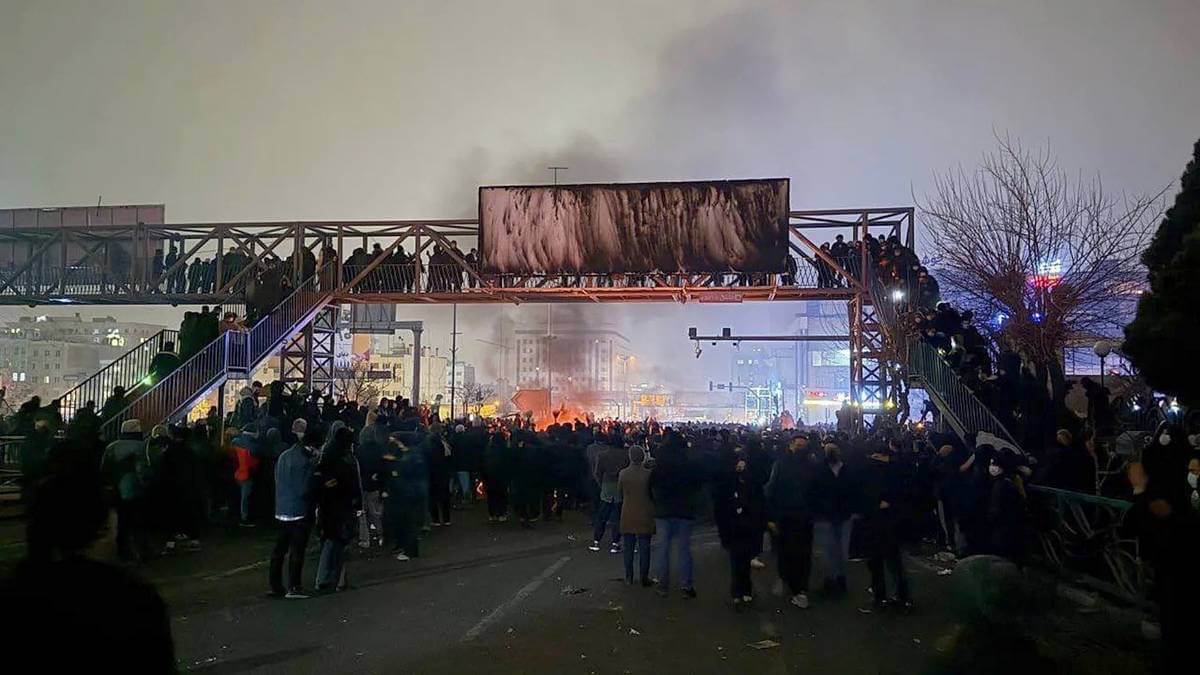
Un peuple blessé mais debout — Récit émotionnel des manifestations en Iran
January 13, 2026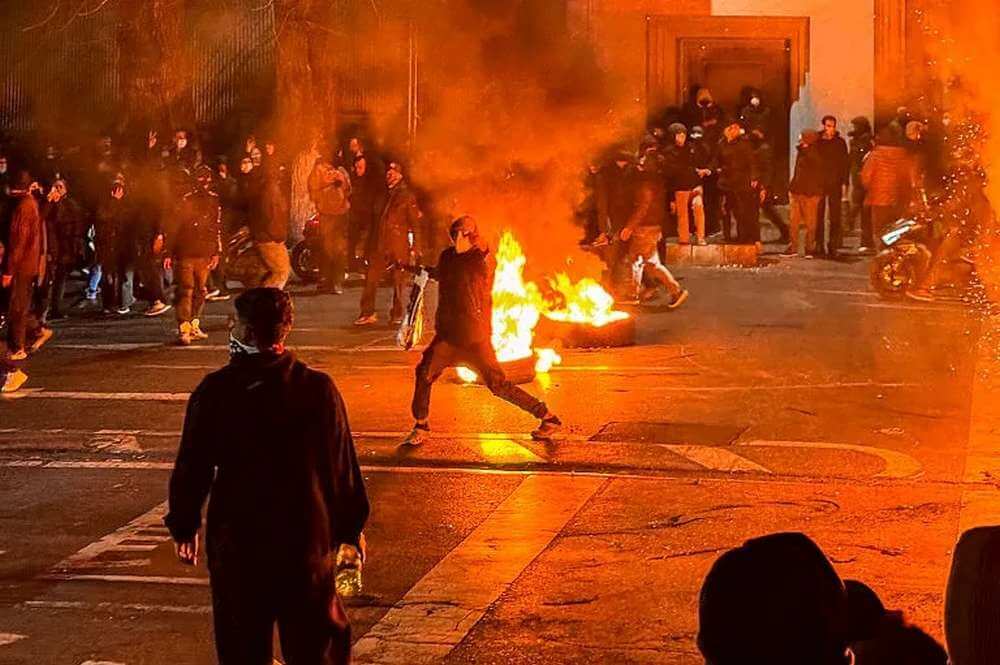
The eighteenth day of protests in Iran has arrived, yet time seems to have stopped for many families—since the moment their loved ones left home and never returned, since hospitals, morgues, or forensic departments drew a line on their life stories, and since images of corpses and wounded individuals—even those released by official authorities—shocked and grieved the world.
This narrative is not only about the streets; it is about homes that, in the blink of an eye, have turned black with mourning.
Where Images Become the Voice of the People
Even as the internet has repeatedly been cut or filtered, it is striking that state-affiliated institutions themselves have released images of long lines outside forensic offices, morgue rooms, warehouses full of unidentified bodies, and corpses lying on streets.
The release of these images—without any clear official explanation—shocked not only citizens inside the country but also global public opinion.
Images of young people in torn clothing,
bodies bearing signs of close-range gunfire,
and scenes of doctors and nurses treating the wounded under pressure and with limited equipment,
these are not merely visual records;
they are a testament to the suffering of an entire nation.
Wounded Who Cannot Always Heal
In hospitals, some wards have effectively become “secret rooms.” Witnesses report that:
Many of the injured were shot with military-grade or pellet bullets.
Some were too afraid to register their real identities due to security pressure.
Some were swiftly transferred to unknown locations after treatment.
Independent medical sources estimate that the number of wounded may be several times higher than official figures.
But more important than numbers is a shared fear:
fear of arrest in the hospital, forced transfers, and disappearance.
Homes That No Longer Hear Laughter
The number of those killed is contested. Activists claim it is far higher than official media reports suggest,
yet all agree that there is scarcely a neighborhood in Iran that is not in mourning.
In every city and every alley, there is a family in shock and disbelief.
Mothers holding the bloodied clothes of their children.
Fathers forced to bury the lifeless bodies of loved ones without ceremony and under supervision.
Siblings unsure how to explain an absence that may never be returned.
This grief is not silent; it glows like a spark in the eyes of the bereaved.
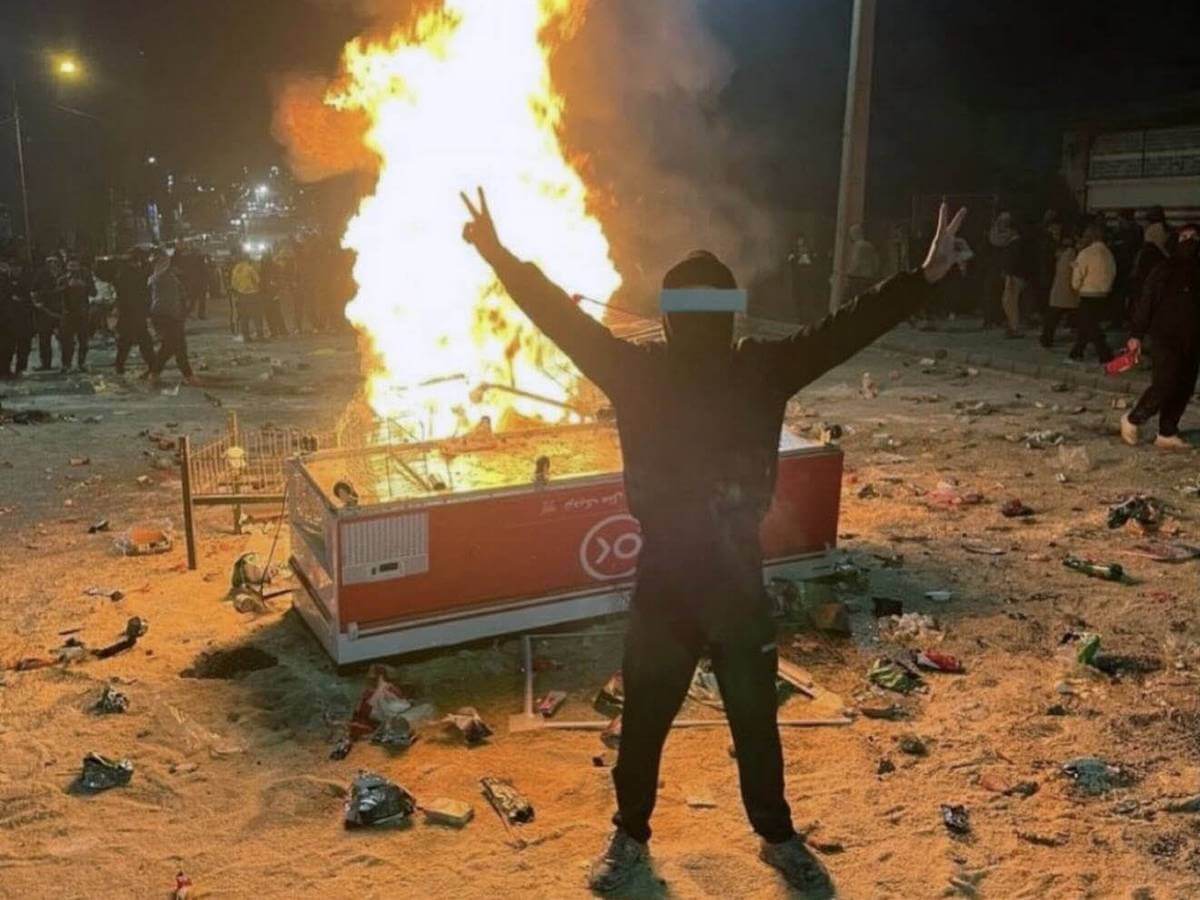
The Streets — Where Death Meets Courage
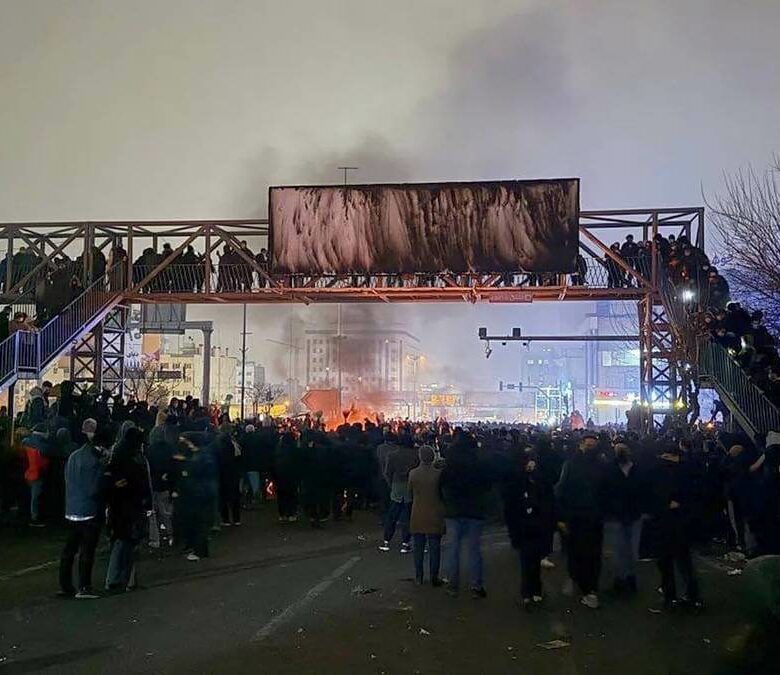
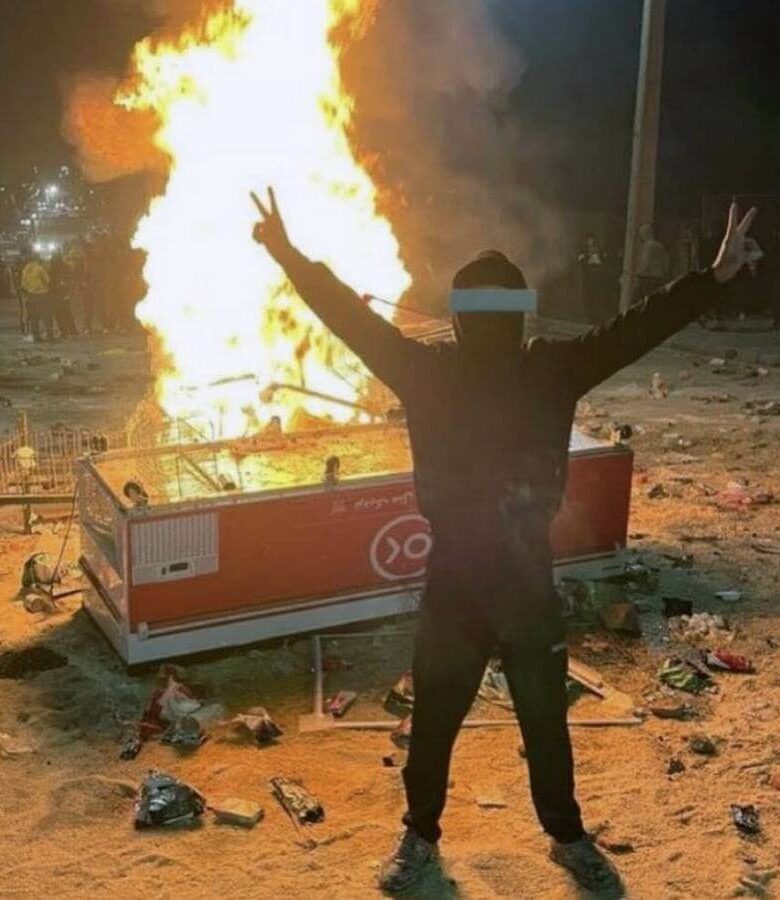
Despite repression, people return to the streets every day.
Young people, women, workers, students, teachers—
all with empty hands, yet with voices growing louder by the day.
Iranian streets have become a scene where tear gas smoke mixes with cries for freedom,
gunfire competes with chants,
and at any moment, a life may be extinguished in front of the eyes of onlookers.
Yet, even in this terrifying environment, the voice of protest has not been silenced, because people believe they are now at a historical point of no return.
Global Response — From Shock to Open Support
Images of corpses and wounded have sparked strong international reactions.
Media outlets and governments have warned of the “deadly crackdown.”
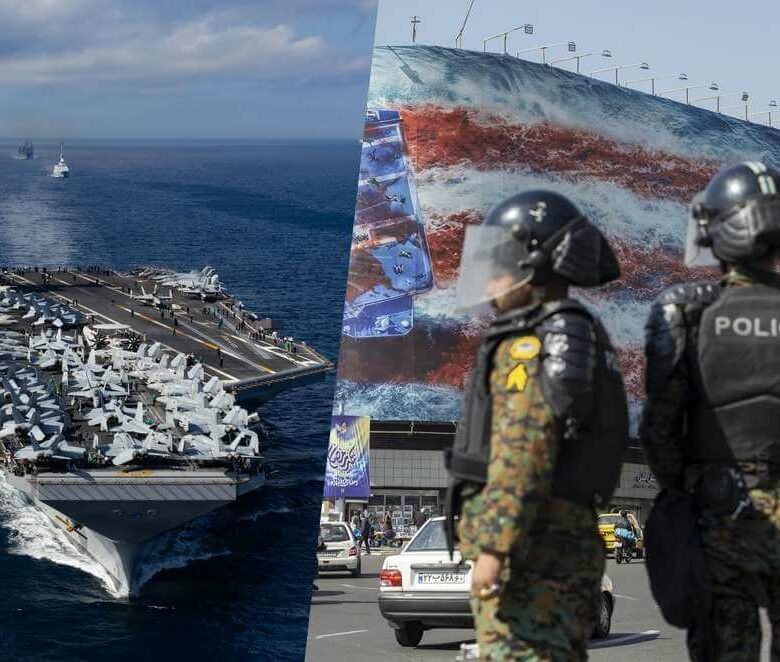
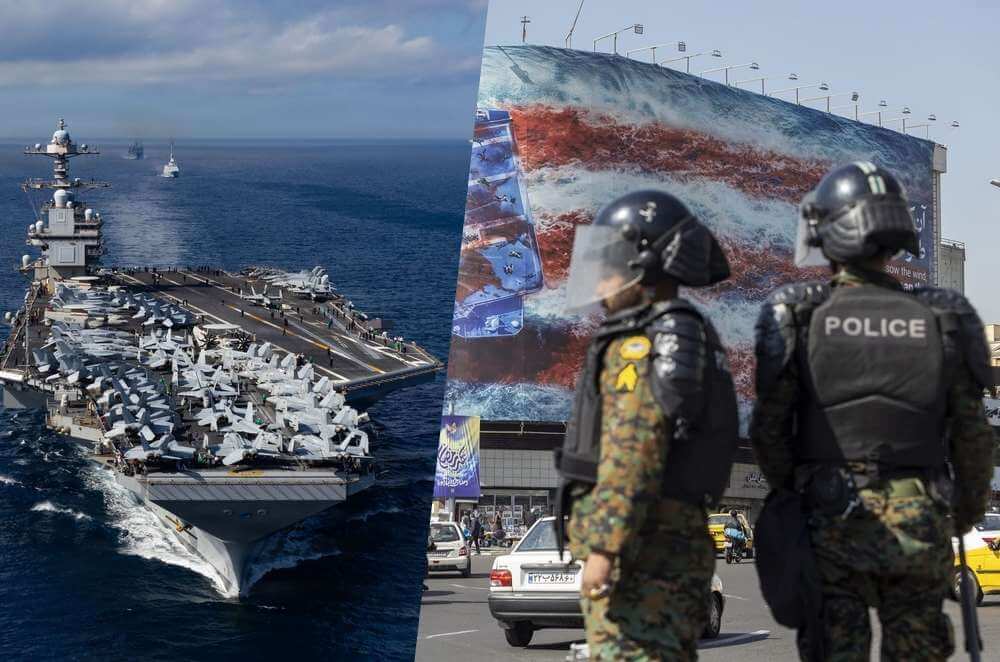
Global leaders—from Europe to the United States—have taken a stand.
The U.S. President has announced:
He has suspended negotiations with Iranian authorities until the end of the “killings,”
He has sent a message to the Iranian people: “Keep protesting; help is on the way,”
He has threatened that countries trading with Iran will face 25% tariffs.
In Europe, the German Chancellor and other leaders have unprecedentedly stated that the Islamic Republic is in its “final days and weeks,” calling for an end to the crackdown and the release of detainees.
These positions evoke mixed feelings for the people of Iran:
hope that their voices are finally being heard,
and fear that support may remain only in words.
A People Wounded but Not Defeated
Today’s Iran tells the story of a people wounded but standing.
People resisting bullets, grief, loss, and pressure.
People who have become narrators of their own stories amid censorship.
People holding a small light close to their hearts against darkness.
This article aims to provide a picture of the human reality of these days—not just politics, not just analysis, but the truth as felt in the hearts of the people.
In the end, we cannot predict what tomorrow will bring,
but one thing is certain:
Iranians are no longer the silent people of the past;
this is the beginning of a new chapter in contemporary Iranian history.
Wednesday, January 14, 2026
Javad FIROZMAND