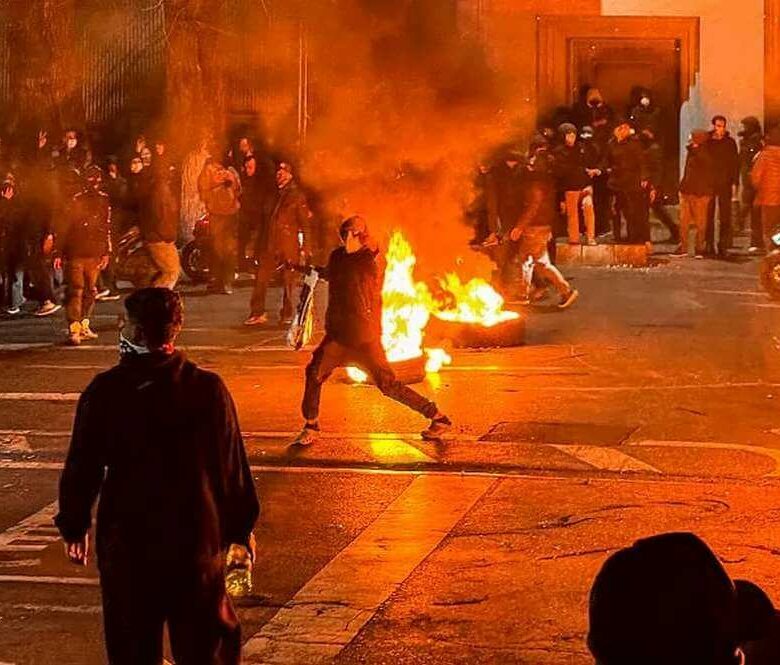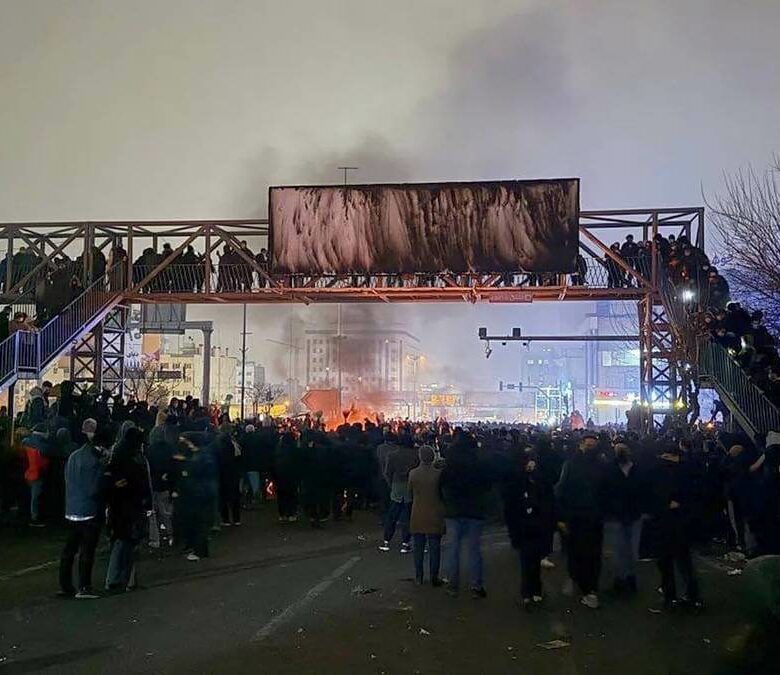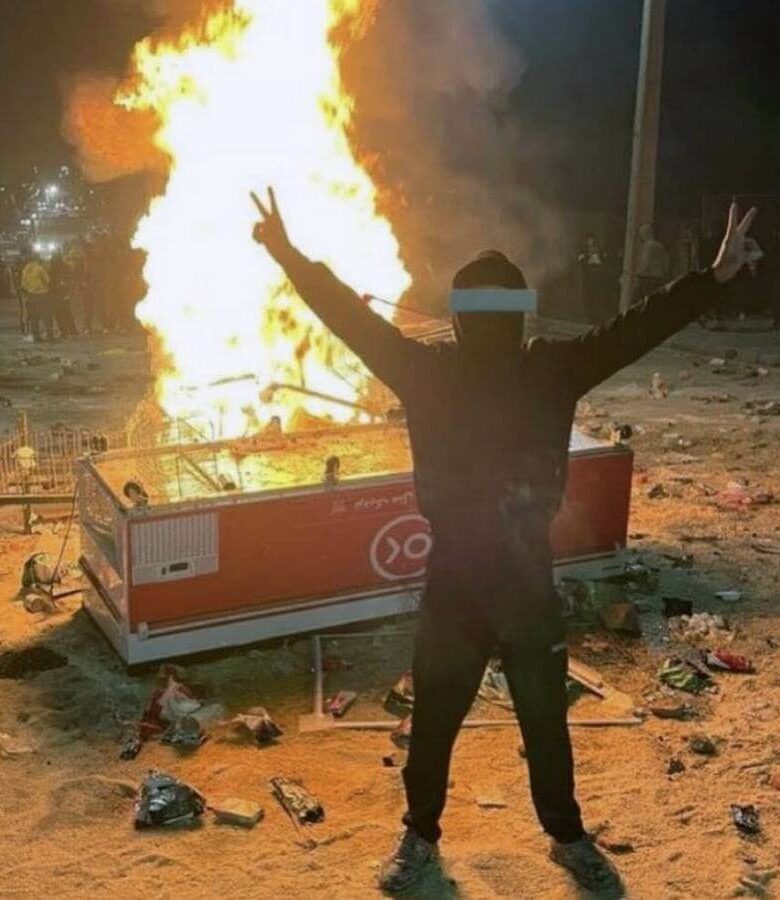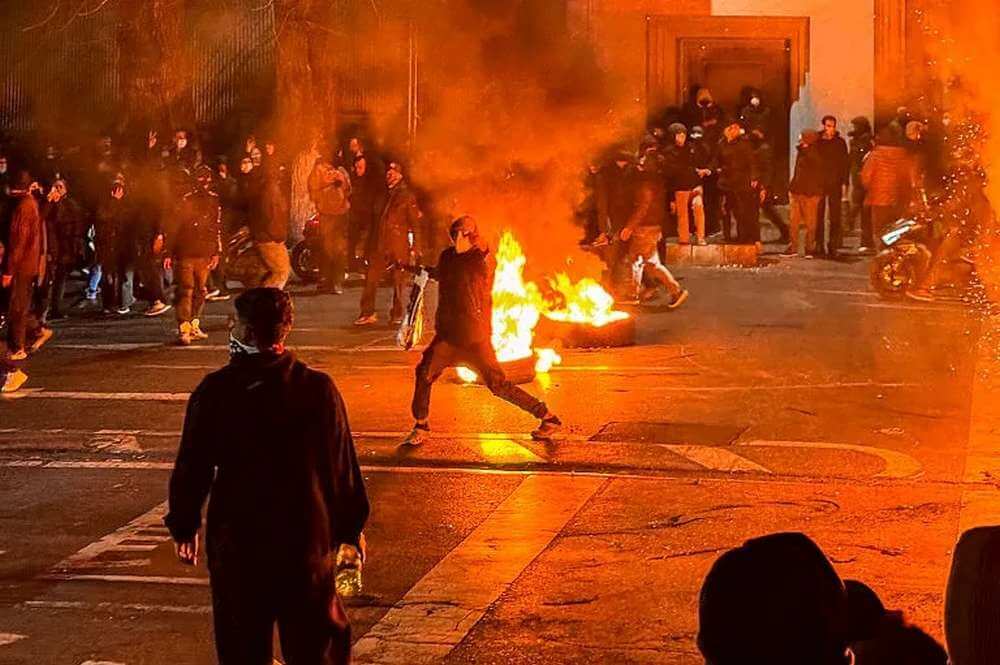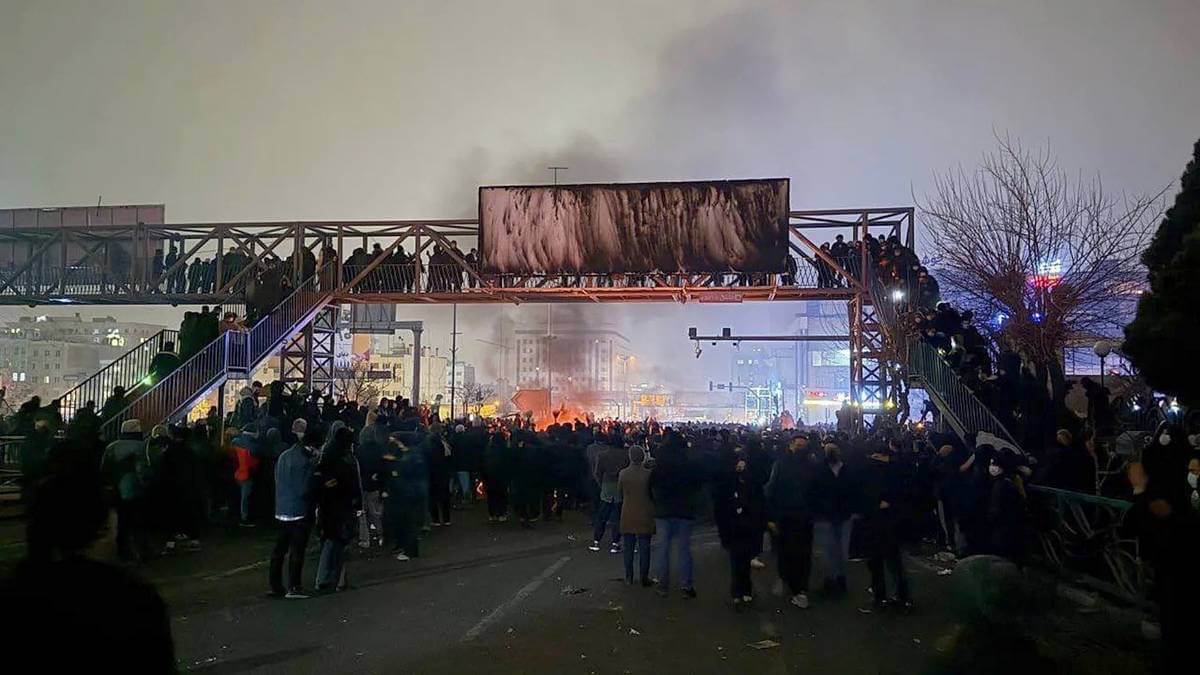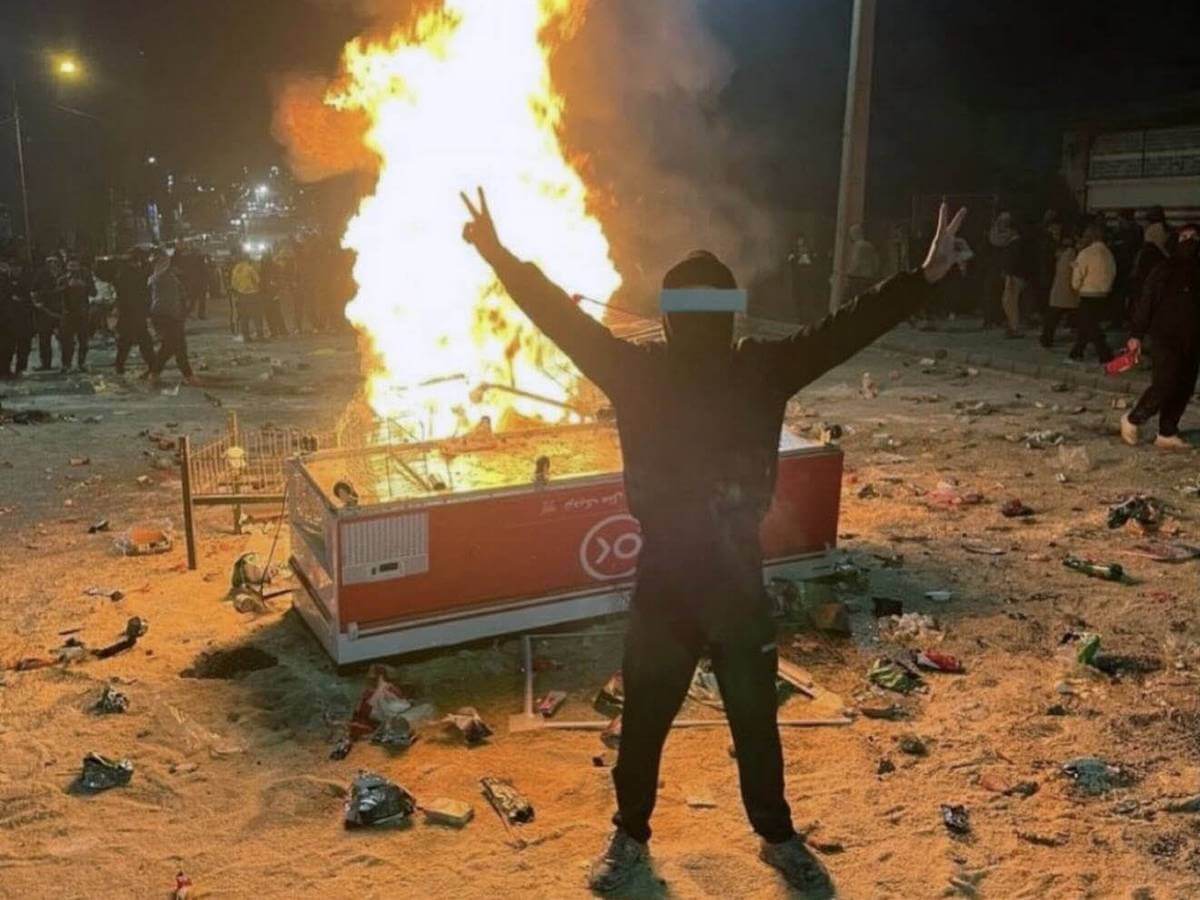
Un peuple blessé mais debout — Récit émotionnel des manifestations en Iran
January 13, 2026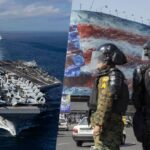
Les tambours de la guerre commencent-ils à résonner ?
February 27, 2026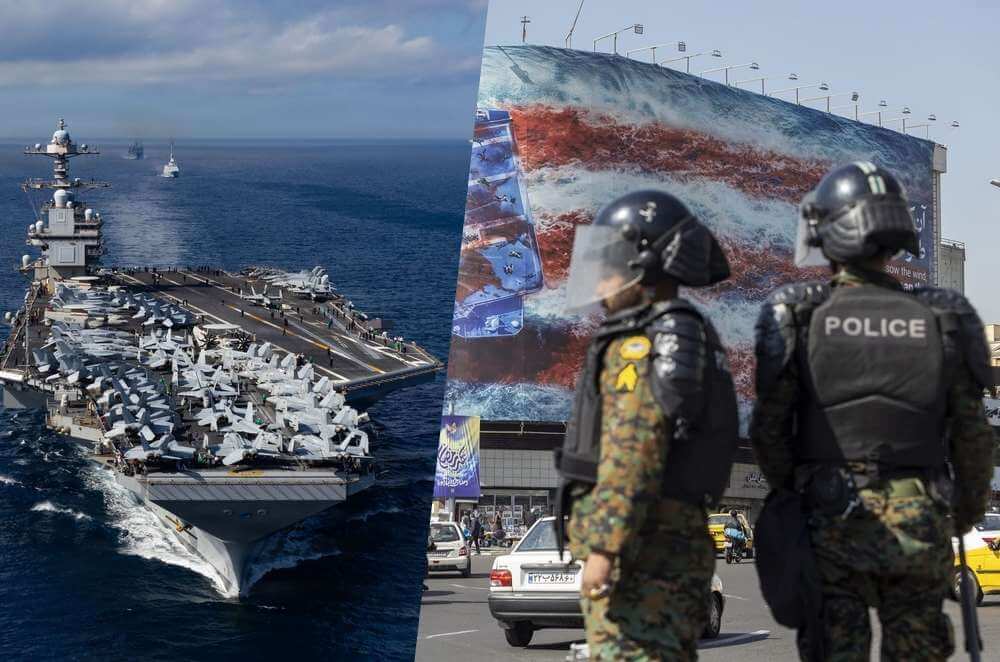
Signs of a Quietly Escalating Crisis Between Iran and the United States
Following the latest round of indirect negotiations between the United States and Iran in Geneva, which ended without any tangible progress, a series of political, security, and diplomatic developments has raised an increasingly urgent question: Is the world approaching another military confrontation in the Middle East?
Unlike previous crises marked by loud rhetoric and open threats, this time the warning signs appear quieter yet more meaningful. Travel advisories, diplomatic withdrawals, military deployments, and intensified mediation efforts together paint the picture of a crisis that may not yet be officially declared, but is steadily taking shape.
A Wave of Global Warnings: Rising International Concern
As tensions between Washington and Tehran intensified, several countries simultaneously updated their travel advisories regarding Iran — a move that, in diplomatic language, often signals serious security assessments.
China issued a consular warning urging its citizens to leave Iran “as soon as possible” and to avoid new travel to the country. At the same time, Germany, India, Poland, Serbia, Sweden, Cyprus, and Finland released similar advisories, encouraging their nationals to avoid travel to Iran and to depart immediately if already present.
Canada also issued an official notice advising its citizens in Iran to leave immediately if safe departure was possible and to prepare emergency supplies and updated travel documents in case conditions deteriorate.
Such rare coordination among governments typically reflects shared intelligence assessments, further heightening concerns about potential escalation.
Diplomatic Withdrawals: A Classic Pre-Crisis Signal
In another notable development, the United States Embassy in Jerusalem announced that non-essential government personnel and their families had been authorized to leave Israel. This decision followed an earlier order mandating the departure of certain embassy staff from Beirut.
International relations analysts often view such measures as classic pre-crisis indicators, as governments typically reduce non-essential diplomatic presence before potential military escalation.
These developments come as the United States has deployed one of its largest military forces in the Middle East — a move interpreted both as deterrence and as a clear political signal toward Tehran.
Iran, for its part, has warned that any attack would result in strikes against U.S. bases across the region, raising fears that a conflict could quickly expand and potentially draw Israel into direct confrontation.
Diplomacy at the Last Minute: Oman’s Mediating Role
Amid rising tensions, diplomatic activity has intensified. Oman’s Foreign Minister, Badr Albusaidi, made an unexpected visit to Washington to meet with U.S. Vice President J.D. Vance and senior officials.
The visit aimed at reducing tensions and preventing a military confrontation between Washington and Tehran.
Oman has long served as a trusted mediator between the two countries. During the recent Geneva talks, Muscat facilitated the exchange of messages and proposals between the U.S. delegation, led by Steve Witkoff and Jared Kushner, and the Iranian team headed by Abbas Araghchi.
Omani officials described the negotiations as showing “significant progress” and indicated that expert-level discussions may soon take place in Vienna to examine technical aspects of a potential agreement.
Threat of War or Pressure for a Deal?
Former President Donald Trump previously warned that military options would remain on the table if negotiations failed. However, Vice President J.D. Vance recently emphasized that Washington still prefers diplomacy and has “no intention” of entering a prolonged military conflict in the Middle East.
These seemingly contradictory messages may reflect a familiar political strategy: increasing military pressure to strengthen negotiating leverage.
Many analysts believe current military positioning and security warnings are intended less as preparation for war than as tools to compel concessions at the negotiating table. Yet history has shown that crises initially designed as political pressure can spiral into real conflict through miscalculation.
A Region on the Edge of Uncertainty
Today, the Middle East stands at a delicate crossroads where the line between deterrence and confrontation has become dangerously thin. Military readiness, diplomatic evacuations, global warnings, and urgent mediation efforts are all signals often seen before decisive historical moments.
The central question is no longer whether tensions exist, but rather whether diplomacy can move faster than escalation.
The drums of war may not yet be officially sounding — but their echo can already be heard in government decisions, naval movements, and the growing anxiety of world capitals.
And perhaps the most important reality is this:
the outcome of this crisis will shape not only U.S.–Iran relations, but the stability of the entire region.
27/02/2026 – Paris
Javad FIROZMAND