L’avenir de l’Iran : Dynamiques des protestations et conditions d’un changement de régime
January 7, 2026
L’Iran dans les rues : récit des manifestations, des espoirs et des forces politiques étrangères
January 10, 2026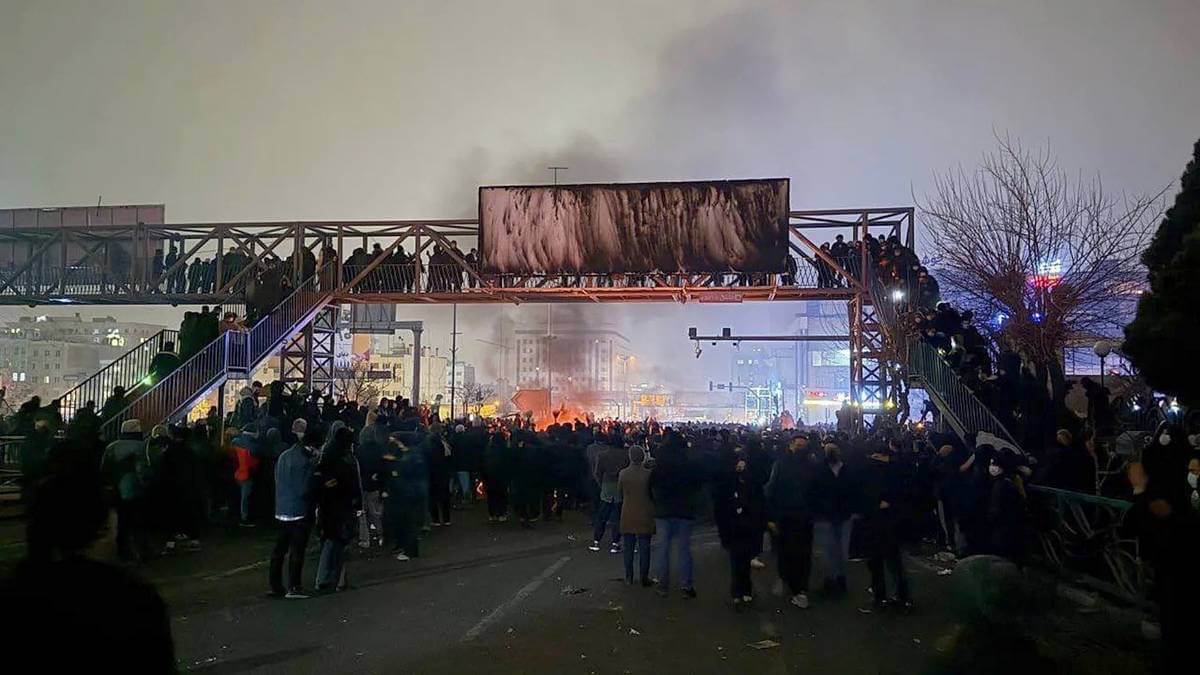
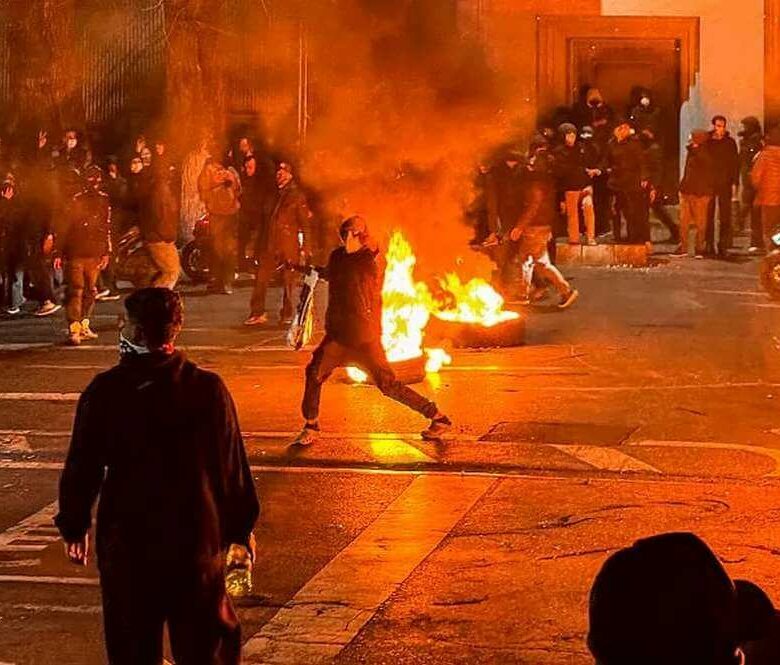
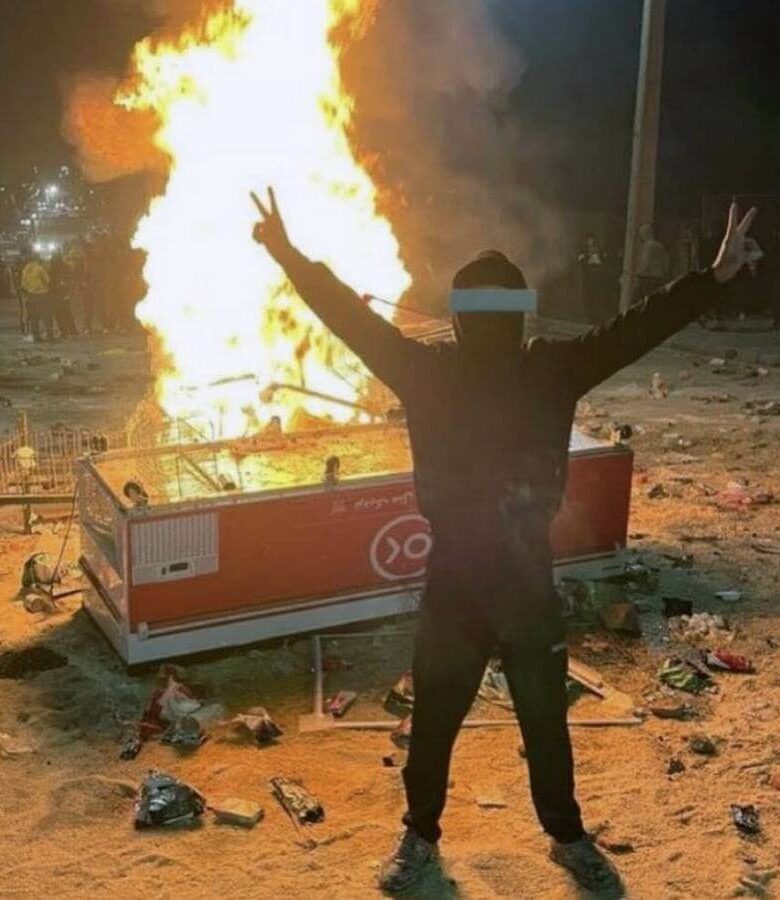
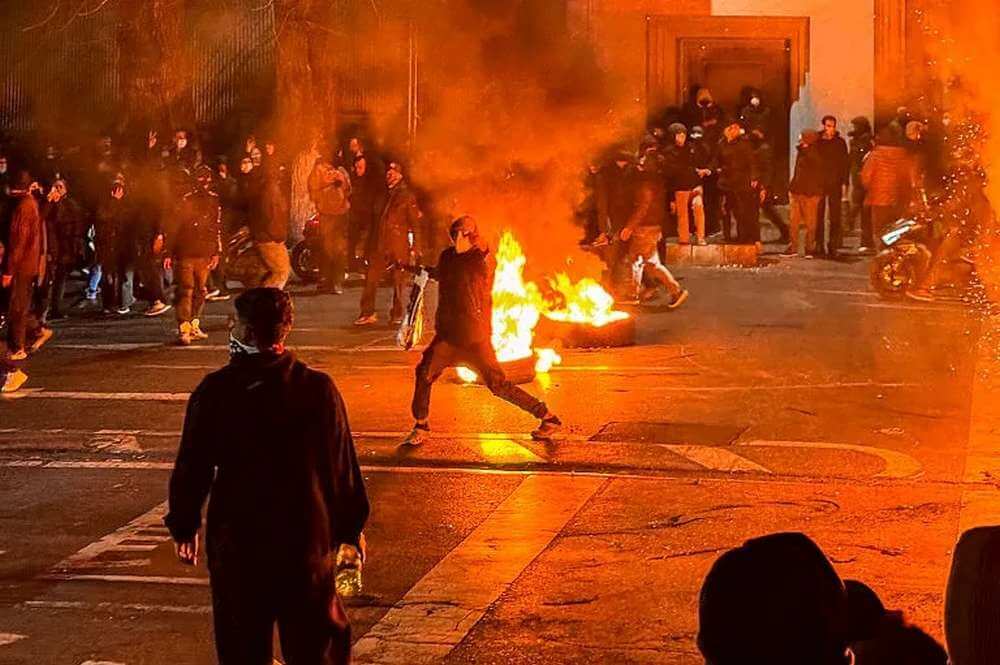
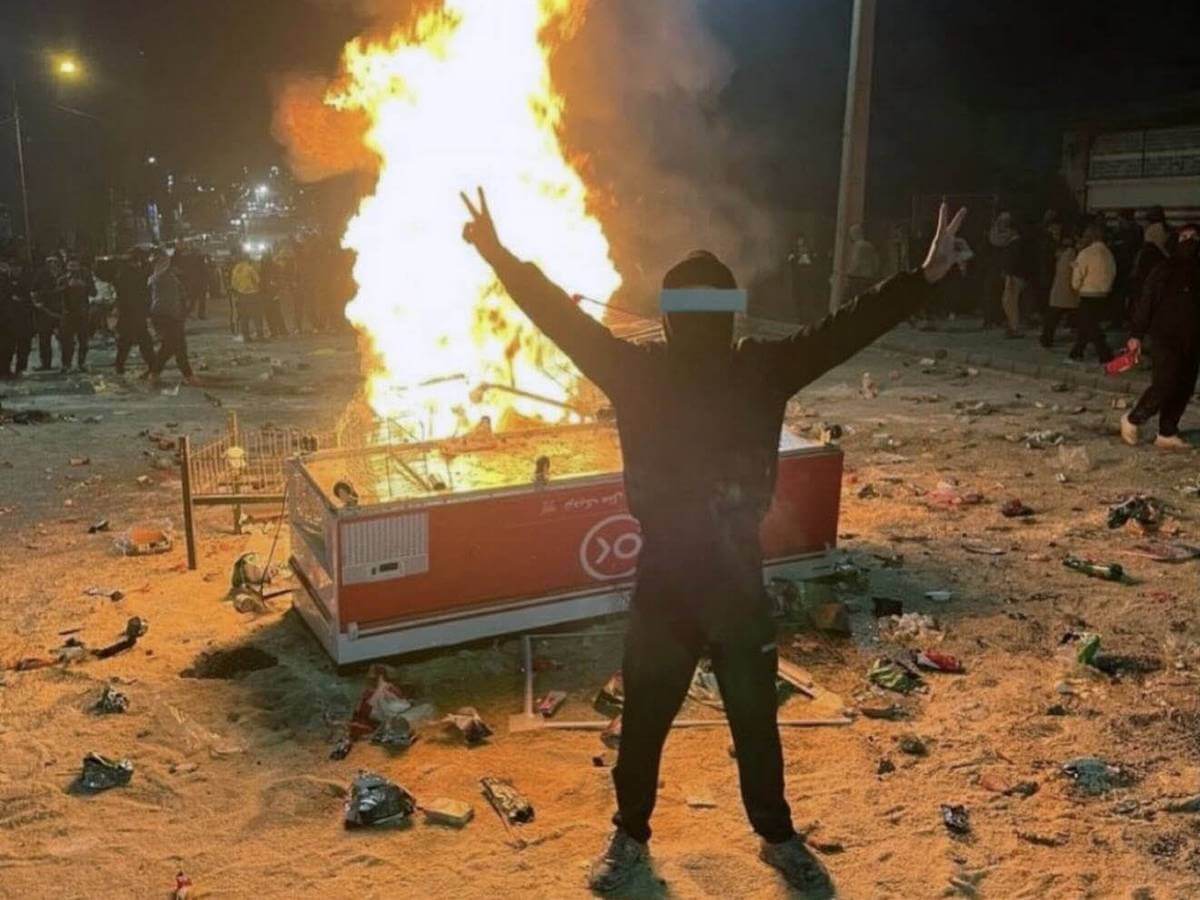
For fourteen days, Iran has been gasping for breath; streets, squares, and alleys have been filled with the shouts of young people who are looking toward the future and can no longer remain silent. But this time, anger is not alone—hope is also visible amidst the turbulent waves of slogans. Every chant, every movement, every placard tells the story of years of pain, oppression, and despair that have brought society to this point.
This is no longer merely a political or economic issue. It is a human and collective story: women fighting for their rights in the streets of Tehran, Isfahan, and Sanandaj; young people whose futures have been stolen for years; and the middle class standing up to preserve the bare minimum of their lives.
Alongside this social wave, political forces outside the country are attempting to frame the narrative in their favor. These narratives fill both media spaces and the historical and political consciousness of people and analysts. Among them, two groups draw the most attention: the People’s Mojahedin Organization of Iran (PMOI/MEK) and the monarchist movement led by Reza Pahlavi.
The People’s Mojahedin Organization of Iran: From Hope to Doubt
When discussing the MEK, one cannot ignore its bitter history. The organization, formed in the 1970s and early 1980s as an opposition force to the Iranian government, later took controversial and challenging paths that complicate its role in the eyes of the Iranian public and history today.
Collaboration with Saddam Hussein
During the Iran–Iraq war, the MEK collaborated with Saddam Hussein, establishing military bases in Iraq and conducting operations against Iran. This historical cooperation has cast a long shadow over the group, causing much of the Iranian population to view their messages with deep suspicion.
Assassinations and Bombings
In the 1980s and 1990s, the MEK carried out multiple terrorist operations, including assassinations of officials and bombings in public streets and government centers. Even though the group has changed its tactics today, this violent past remains ingrained in public memory, creating lasting mistrust.
Designation as a Terrorist Organization
Due to past actions, the MEK was listed for years as a terrorist organization by several countries and international institutions. This official record limits their political legitimacy abroad and continues to affect public perception despite renouncing violence.
Lack of Popular Support
Despite a well-organized structure, the MEK has never gained genuine popularity among different social strata in Iran. Even today, among the young people on the streets, there is no clear willingness to follow them. They remain more of a media and organizational force abroad than a true popular leadership inside the country.
Potential Role in Current Protests
Nevertheless, their organizational and media capabilities cannot be ignored. The MEK can shape international narratives about domestic events and apply external political pressure, though there is no guarantee that Iranians inside the country will recognize them as leaders, even in crisis moments.
Reza Pahlavi: Symbol or Leader?
On the other side stands the monarchist movement led by Reza Pahlavi. This movement has mostly tried to present itself as a national figure uniting the people. Media and social networks cover it extensively, and slogans supporting monarchy have been heard at some gatherings.
Advantages and Capabilities
Reza Pahlavi:
Is a recognized figure among many Iranians abroad
Offers a clear, understandable message: return to order, modernity, and legitimacy
Maintains an active media network popular among some young people
Limitations and Challenges
However, significant limitations exist:
Lacks an operational presence inside Iran
Has no local bases of support
Faces internal divisions within the monarchist movement
Remains distant from social sectors active in street protests
In other words, Reza Pahlavi can serve as a symbol and beacon of hope, but he is not an operational leader of the street movement. He may act as a coordinator or mediator in future politics, but he lacks the power to mobilize people in the streets or across regions.
Other Political Groups Inside and Outside Iran
Iran is not just three political groups. Alongside the MEK and monarchists, other factions play important roles:
Liberals and secular republicans: Have clear discourse, intellectual legitimacy, and civil connections, but weak field structures and limited influence
Nationalists and national-religious groups: Hold historical respect, but organizational decay and lack of media presence are limitations
Leftist and labor forces: Provide class-based analysis and links to workers and strikes, but fragmentation and internal disputes hinder effective action
Ethnic parties (Kurds, Baluch, Turkmens): Have logistical and field capacity, but limited national acceptance
This combination ensures that no single group can lead change alone, and any successful movement will require synergy among these forces.
The People of Iran: The True Heart of Change
The people themselves are the engine of change:
Women leading in the streets
Politically aware and assertive youth
A middle class re-engaging
Workers and teachers with potential for widespread strikes
While dispersed, these layers constitute the main foundation for any real change. They feel they have nothing more to lose, making their resistance intense and sustained.
Six-Month Scenario Outlook
Scenario 1: Continuing scattered protests
Short and long waves
Ongoing government repression
Expat opposition remains divided
People show discontent but no change occurs
Scenario 2: Larger waves and nationwide strikes
Economic crisis, inflation, and shortages intensify anger
Worker and teacher strikes could maximize pressure
Middle class and women become more active
Expat groups increase media and international pressure
Scenario 3: Emergence of a joint leadership council or new leader
If factions set aside differences, a relative leadership may form
This scenario is less likely but could clarify the transition path
Scenario 4: Government and security forces fracture
If parts of the IRGC or security forces openly dissent
Structural collapse may accelerate
Ethnic armed groups and foreign organizations may play more visible roles
Emotional and Analytical Conclusion
Iran today stands at a historic juncture. The streets are filled with youth fighting not only for their rights but for dignity, freedom, and life itself.
Alongside them, external political forces bring narratives and tools:
The MEK with its structure and media network
Reza Pahlavi as a symbolic figure and beacon of hope
Monarchists, liberals, nationalists, and leftists playing different roles
Ultimately, no group can achieve change without the Iranian people and without synergy among these forces.
This movement is simultaneously human, political, and historical. Young generations, women, the middle class, and workers are its engine. History shows that such collective anger and hope cannot be extinguished, even under repression.
The final message is clear: Real change will only occur when the Iranian people, alongside all groups and historical divides, create a shared path toward a future of justice, freedom, and security.
Saturday, January 10, 2026
Javad FIROZMAND