Le peuple iranien à un tournant historique
January 4, 2026
The Future of Iran: Dynamics of Protests and Conditions for Regime Change
January 7, 2026
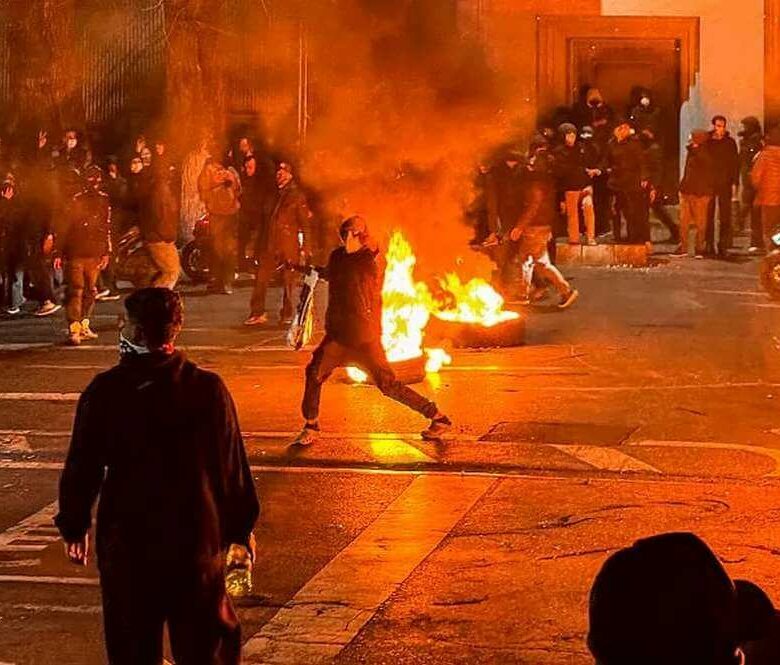
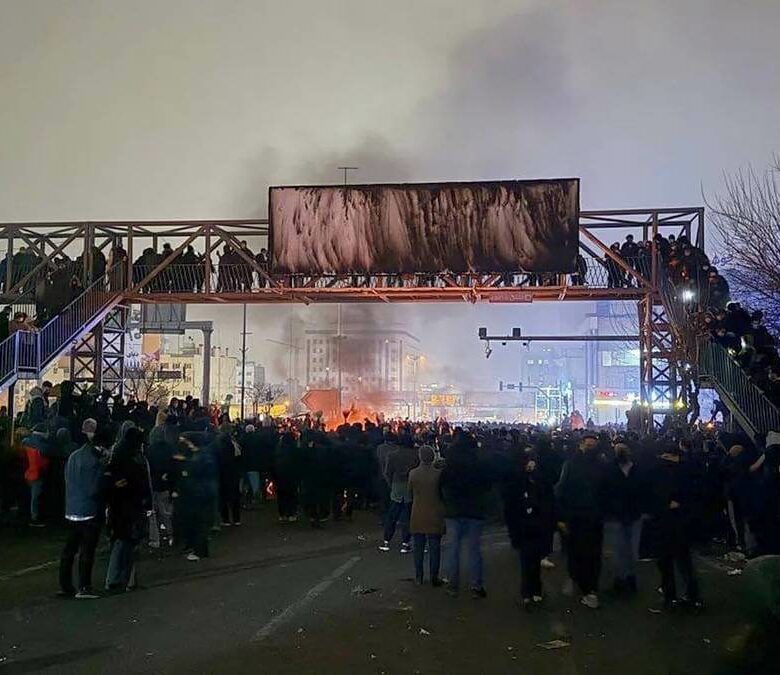
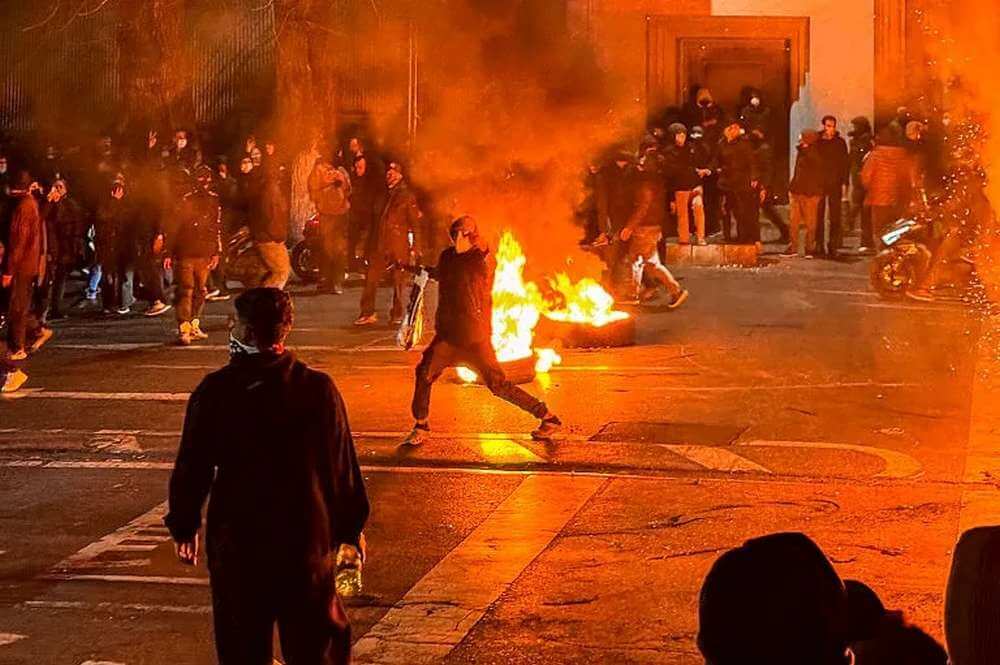
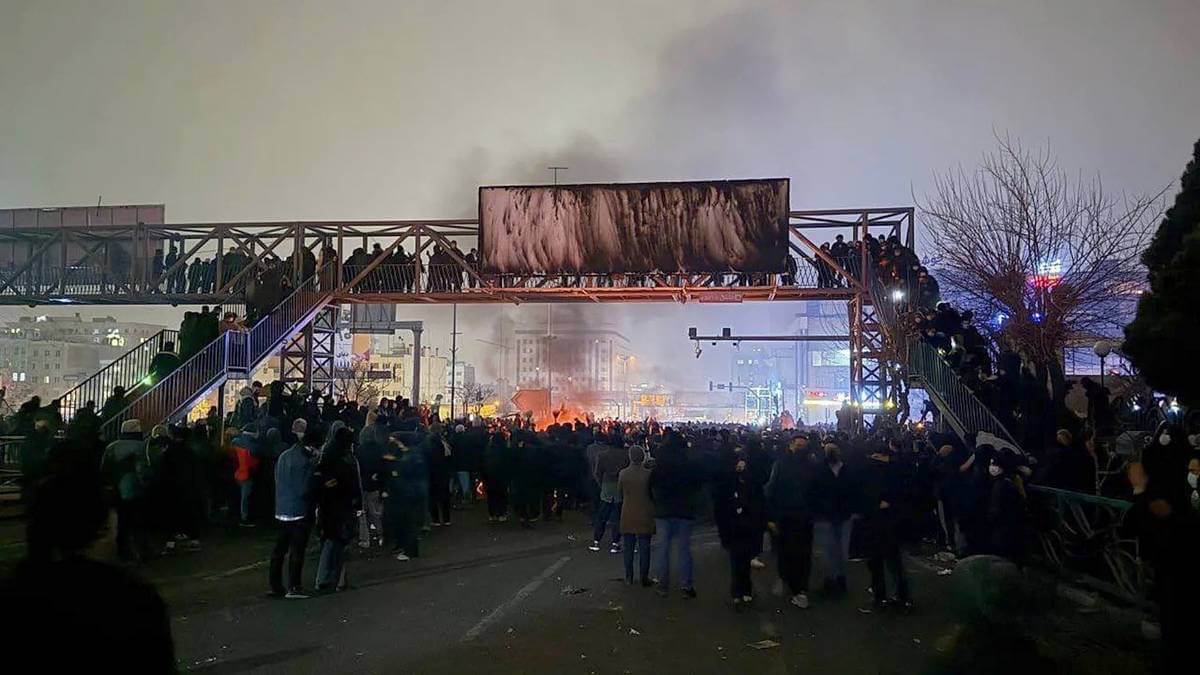
Recent protests in Iran cannot be understood merely as a temporary reaction to the rising dollar or day-to-day economic crises. These protests are part of an accumulated and protracted process that demonstrates the relationship between society and the state has entered a structural phase of crisis. What is seen today in the streets, markets, and public spaces is not a sudden explosion but a continuation of a chain that has passed through December 2017, November 2019, and the 2022 uprisings, each time eroding layers of legitimacy, symbolic authority, and the governing capacity of the Islamic Republic. Iranian society will no longer return to its previous state, even if each wave of protests is temporarily suppressed or contained.
In this context, the response of the top of the power structure carries special analytical significance. When the Supreme Leader of the Islamic Republic labels protesters not as “dissatisfied citizens” but as “rioters” and explicitly calls for “putting them in their place,” this is not merely a rhetorical stance; it signals the regime’s transition from denial and social management to full securitization of dissent. At this moment, the government effectively closes all intermediate channels and sends a clear message: protest is not a problem to be solved, but a threat to be eliminated. This harsh language, rather than reflecting confidence, often indicates the narrowing of political maneuvering space, where the regime has lost its persuasive and reformative tools and relies solely on force.
Nevertheless, the central question remains: can these protests lead to the overthrow of the regime? A realistic answer is that protest, even if widespread and courageous, does not necessarily result in the collapse of a political system. Forty-five years of experience show that the Islamic Republic has repeatedly been able to control intense protests—not only through repression but also by exploiting structural weaknesses on the other side. The regime survives less because of its inherent power and more because of the absence of a credible, organized political alternative. This key point clarifies why the system continues to endure.
The recent protests’ emergence from the bazaar and merchant reaction, particularly in economic centers like the Aladdin Passage, is significant from this perspective. In modern Iranian history, the bazaar has not been merely an economic space but a social network capable of disrupting the economic cycle and connecting different social classes. Yet the bazaar is inherently conservative and will not fully confront the regime unless it sees a clear horizon “after change.” The same logic applies to the middle class: educated, urban, and weary, it is the dormant engine of political transformations in Iran. While this class does not initiate revolutions, its participation can shift the balance of power. Its engagement depends on surpassing the point where the cost of maintaining the status quo outweighs the risks of change.
One decisive factor in this process is breaking collective fear. In Iranian society, fear is less about death than about being alone. The psychological tipping point occurs when individuals feel that if they step forward, they will not be alone. This point emerges not from a single major uprising but through repeated waves that are never completely extinguished. When repression becomes predictable and the regime’s symbolic authority cracks, fear loses its absolute power. Yet this moment is simultaneously the most dangerous stage, because if the breaking of fear is not accompanied by political foresight and collective reasoning, it can lead to chaos or the erosion of social capital.
Comparative analysis is instructive here. The experience of Venezuela and the situation of Nicolás Maduro demonstrates that external pressure, even at its most intense, does not necessarily bring down an authoritarian regime. Despite deep economic crisis, widespread protests, and unprecedented U.S. pressure, Maduro has remained in power—not due to legitimacy but because of the cohesion of the security-military core and the lack of an effective internal alternative. The United States could not topple the Venezuelan regime but managed to leave it weakened, isolated, and dependent. This shows that reliance on external pressure or legal threats against leaders, without the formation of an internal political alternative, tends to result in prolonged deadlock and erosion rather than decisive change.
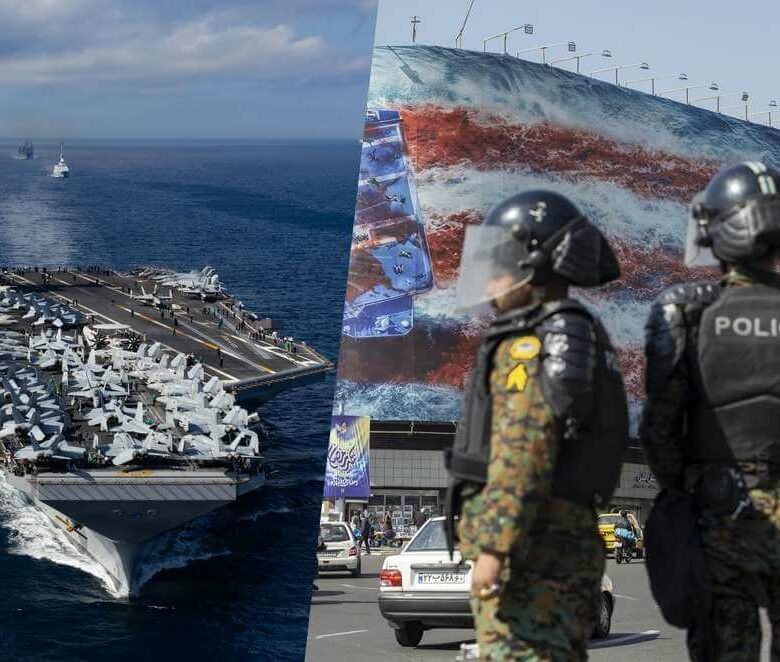
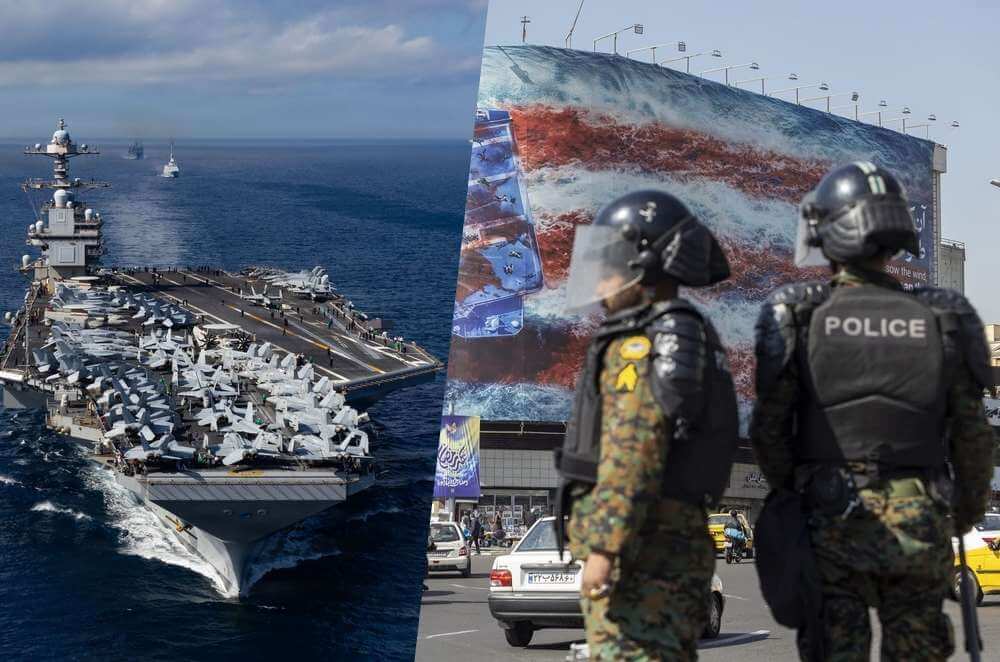
From this perspective, verbal support from figures like Donald Trump for the Iranian people, and his warnings to the regime regarding the killing of protesters, must be understood cautiously. While psychologically encouraging for some segments of society, such statements do not guarantee actual deterrence. The experience of Iran, Syria, and Venezuela shows that public warnings by foreign leaders, when not backed by concrete action, mostly serve media purposes rather than real deterrence. That the Islamic Republic proceeds with repression despite these warnings reflects a cold calculation: the regime sees the domestic cost of retreat as far greater than ignoring external verbal pressure. This again underscores that the fate of Iran’s political developments is ultimately determined by internal power dynamics, not by statements or tweets.
One recurring pattern in Iran is leaderless movements. This lack of leadership is not a romantic choice but the result of a bitter historical experience. After the 1979 revolution and the subsequent seizure of power, Iranian society has become distrustful of any centralized leadership. The result is horizontal, networked movements resilient to the removal of any leader but incapable of making major decisions, negotiating, or transitioning from protest to political change. Courage is abundant in these movements, but courage without a plan does not generate sustainable political power.
In such circumstances, the question of an alternative becomes central. A credible alternative in today’s Iran should neither be ideological, nor promise a utopian society, nor claim a historical–moral mission. A weary Iranian society no longer believes in salvation projects. A believable alternative must be minimal, transitional, and time-bound, aiming to guide the country out of a deadlock rather than build paradise. Without creating psychological security about the “post-change” phase, neither the bazaar, the middle class, nor even segments of the state apparatus will accept risk.
In conclusion, while current protests are serious and meaningful, they have not yet reached a decisive stage for regime overthrow. The regime is weaker than at any time before, yet it continues to survive through a combination of internal repression, disregard for external verbal pressure, and the absence of a political alternative. The greatest risk ahead is not merely the survival of the Islamic Republic but the possibility of a costly, unplanned transition. Iranian society is ready for change, but it has not yet fully trusted itself. In Iran, historical moments often begin quietly, but without political foresight and a clear horizon, they can escalate with destructive momentum.
January 4, 2026
Javad FIROZMAND